
Marketing automation
The follow-up that otherwise gets left: at the right moment, with the right person, without anyone having to remember it.
- Part of
- Marketing
- First flow live
- Within weeks
- Touches on
- AI Transformation
- Reporting
- Monthly

Most leads aren't lost to the competition.
They are lost to busyness. Someone makes an enquiry, gets a confirmation, and then hears nothing for three weeks because whoever was going to call forgot amid everything else. That isn't a sales problem but a process problem, and something can be done about it.
Marketing automation is simple at its core: set out what should happen after an action, and let the system do it. No clever algorithm is needed for that. You write down once how it ought to run, and you stick to it.
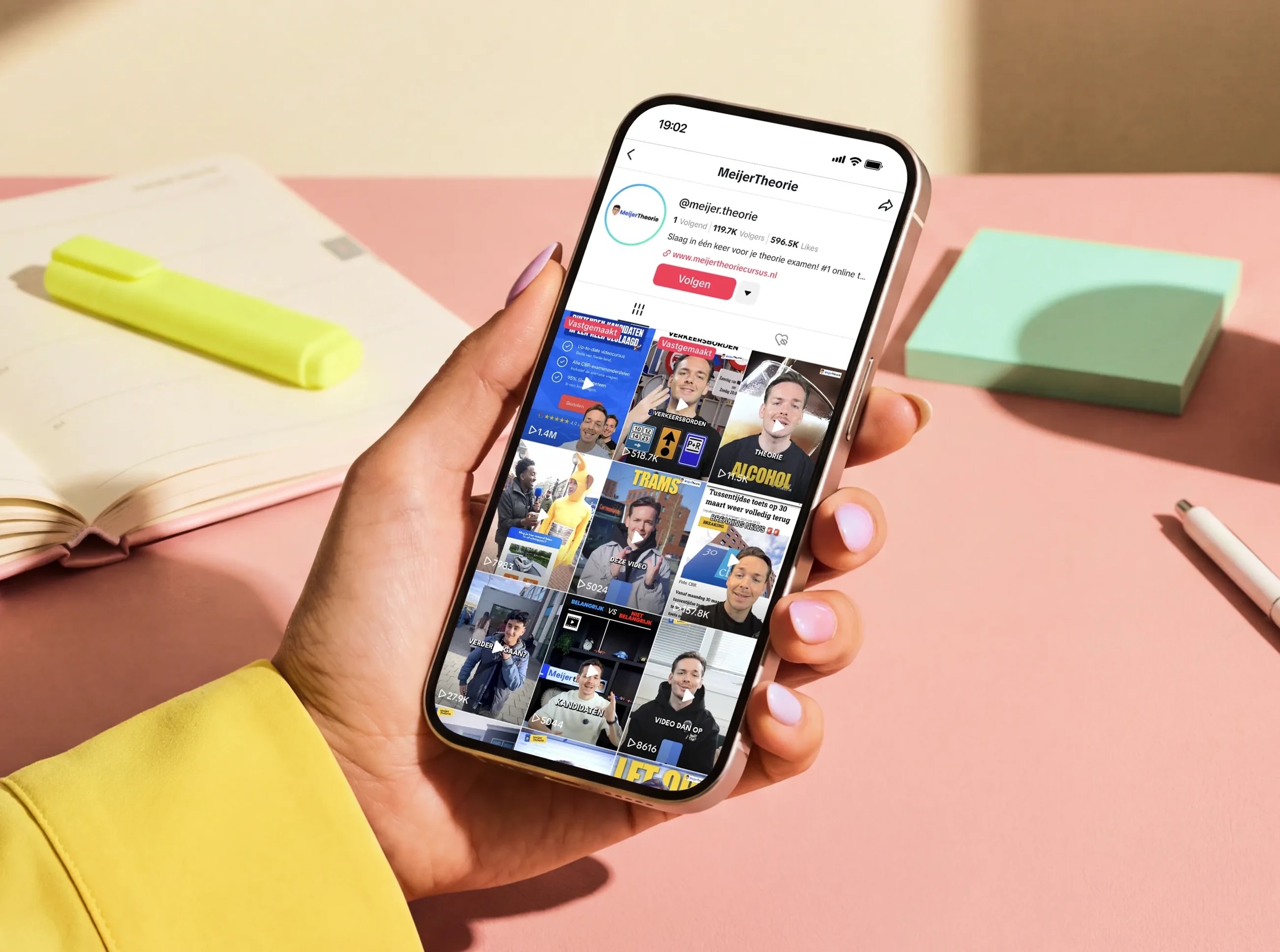
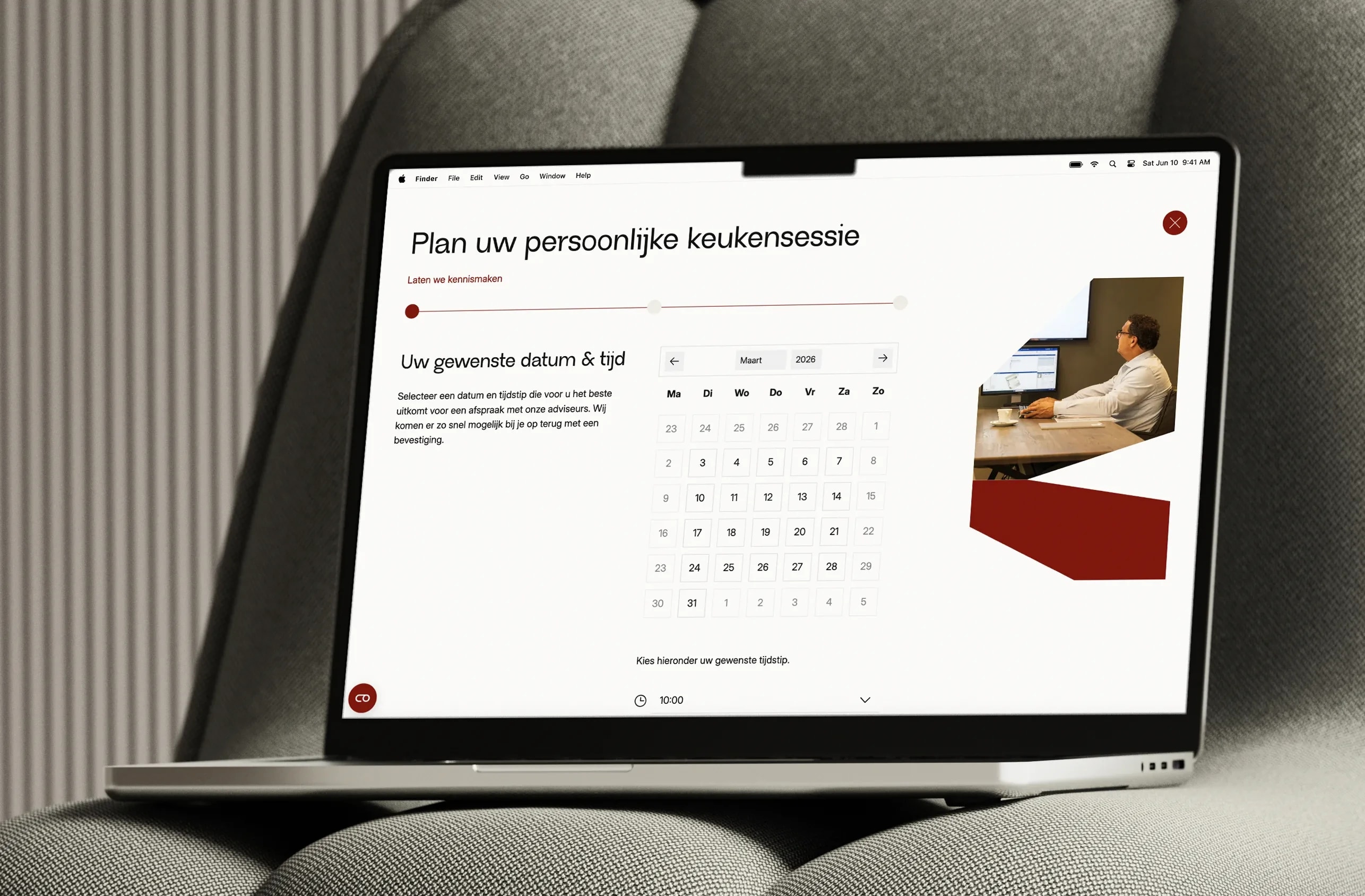
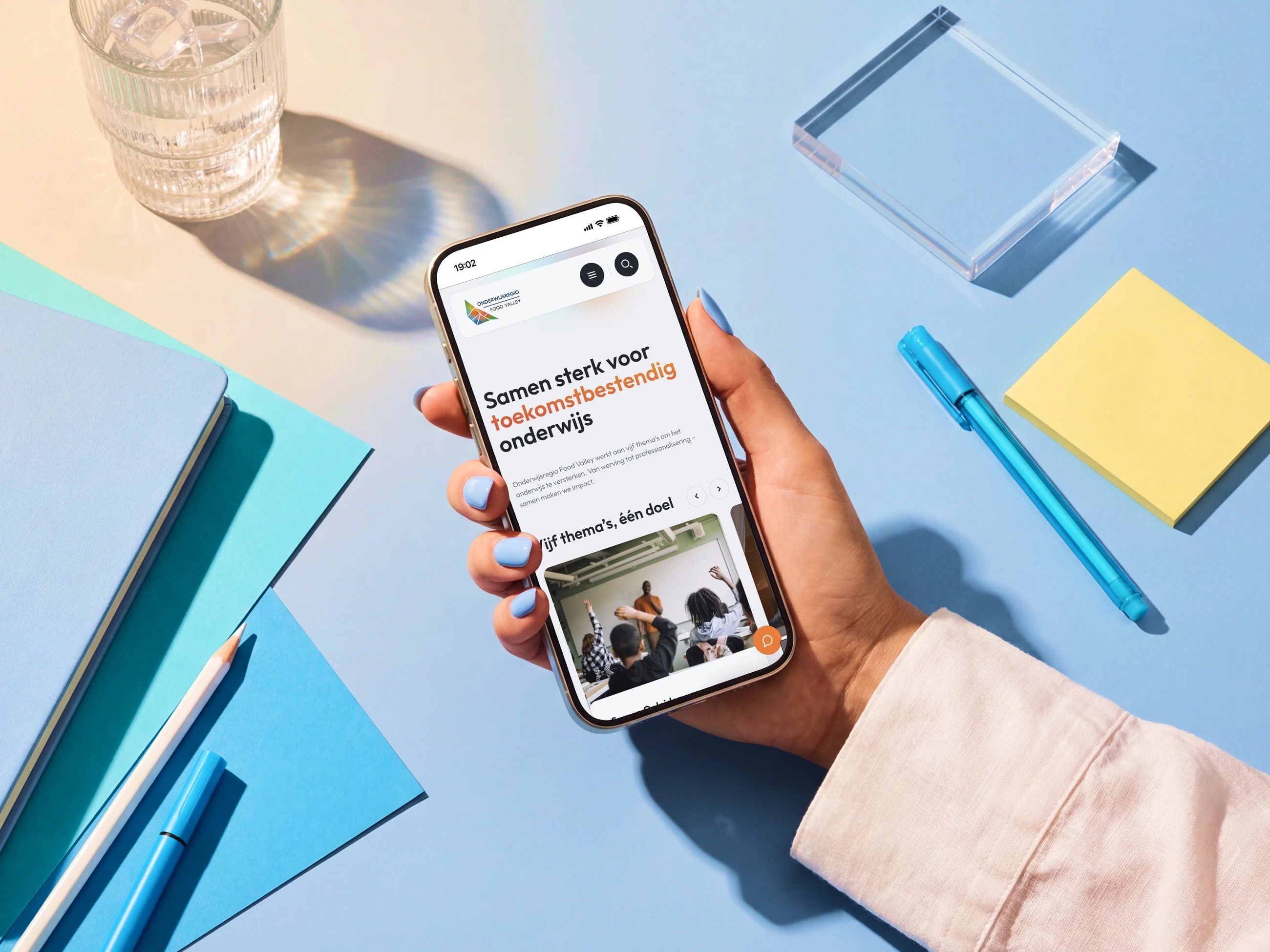
Onderwijsregio Foodvalley
A platform with an API integration and an AI chatbot, put to work against the teacher shortage
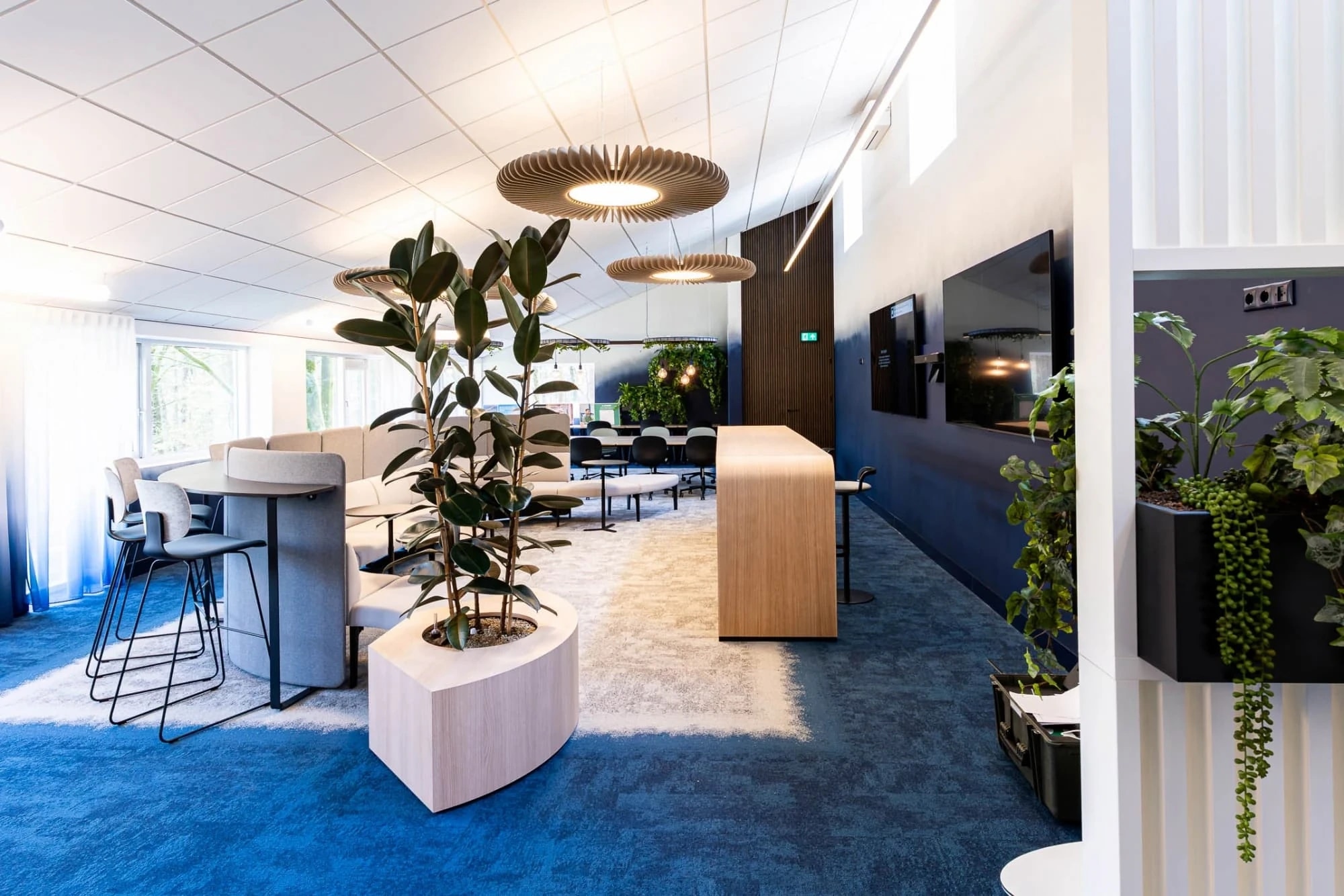

From supplier to adviser: new positioning, brand and platform
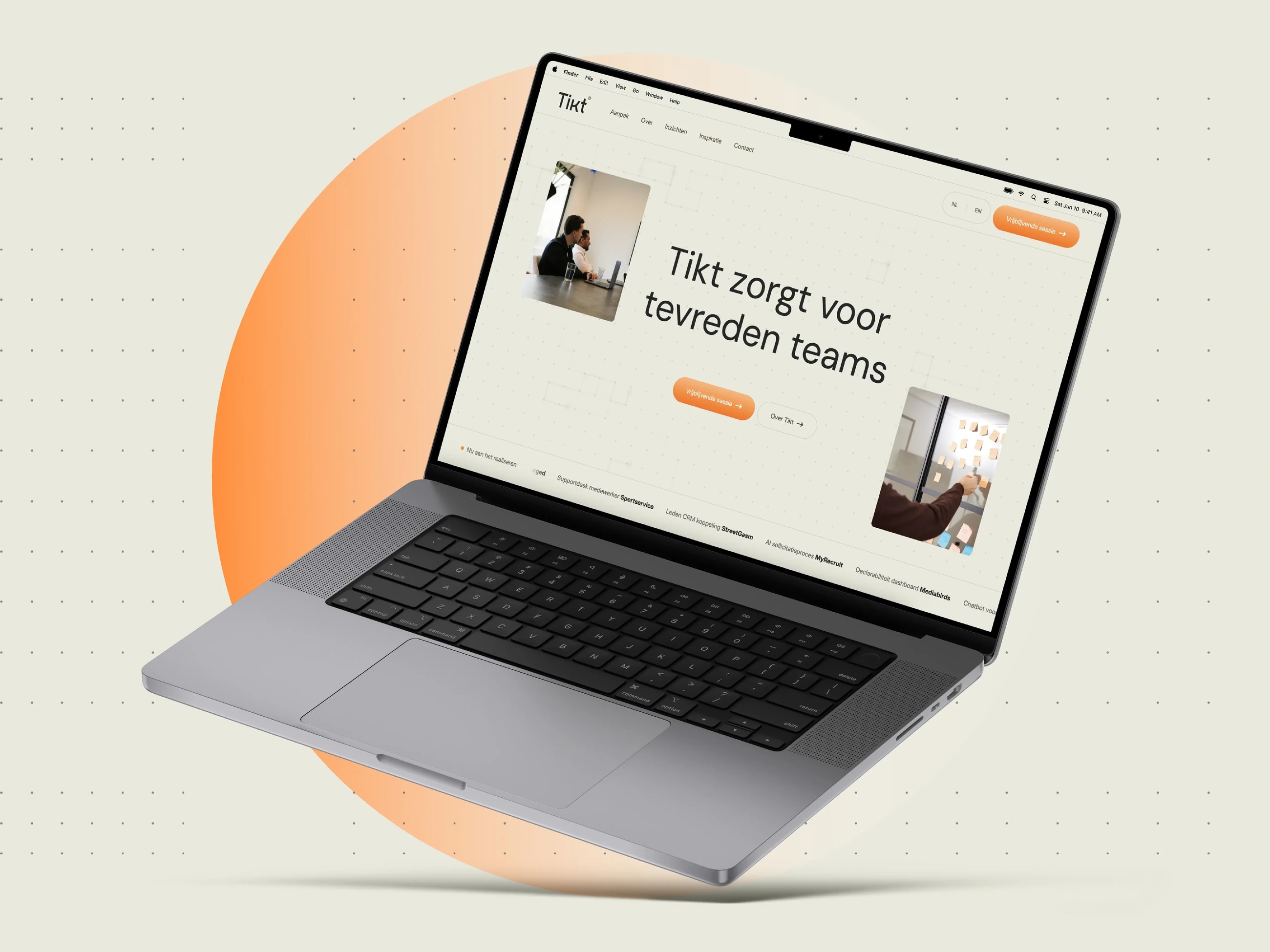

A new AI brand that became visible straight away in a crowded market, through SEO and GEO
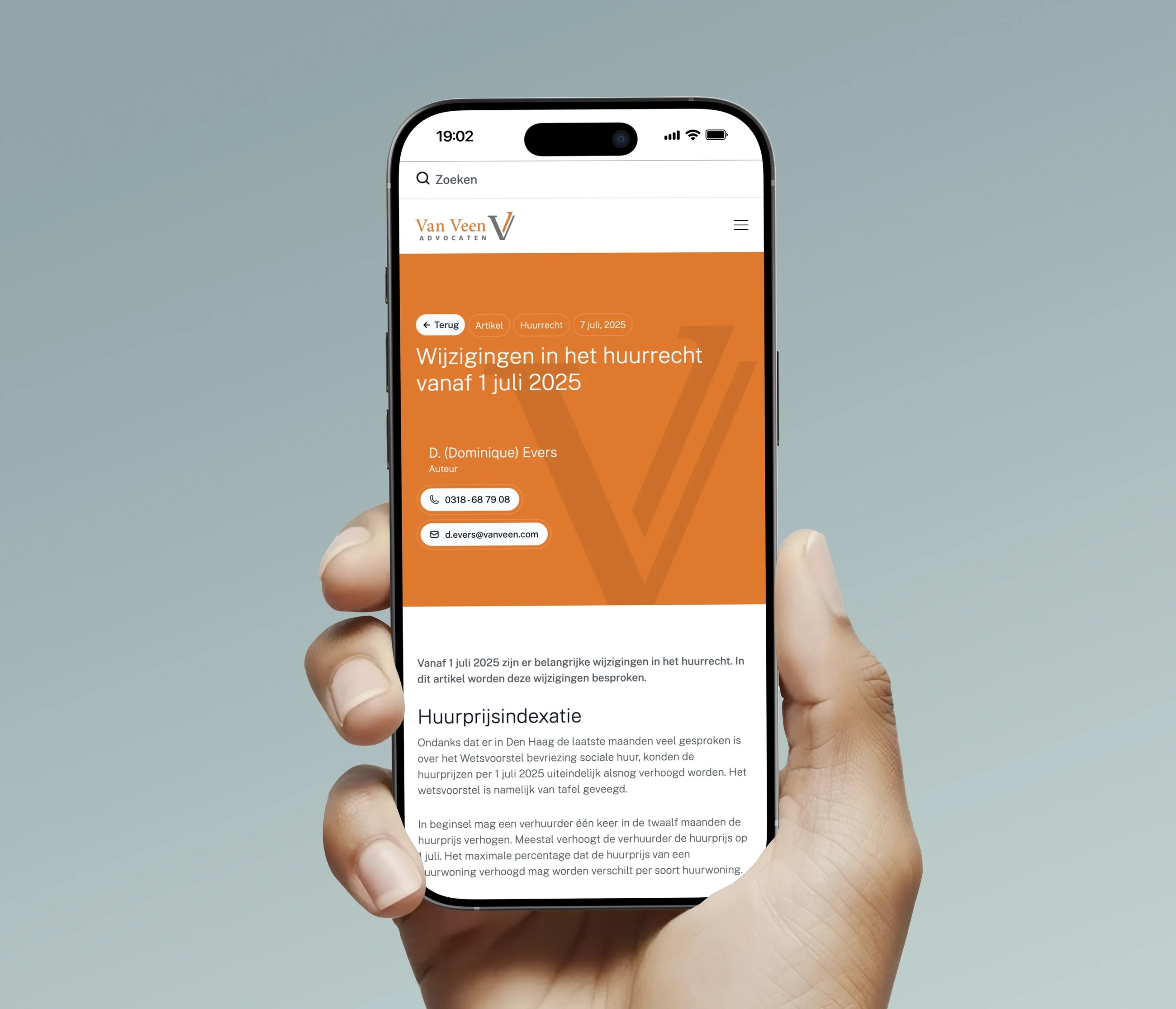

Sharing knowledge as the engine for authority, on a custom platform that is fast and secure
Where this was part of the work
01 / 09
Start at the moment where it goes wrong now.
Often that is the first 48 hours after an enquiry, or the moment someone has received a quote and then goes silent. One well-built follow-up there produces more than an extensive series of emails for people who haven't asked for anything.
After that we extend: leads that land with the right colleague automatically, a series that shares knowledge instead of pushing, and a nudge when someone returns to your site after a long silence.
Brands we keep this running for
























































Automatic doesn't mean impersonal.
An email that clearly comes from a system and uses your first name four times works against you. We write the messages as though they come from a person, and we build in exits: the moment someone replies, the series stops and a colleague takes over.
This is where this work touches what we do under AI Transformation. Marketing automation is about the route from lead to conversation. Automation is about the work behind it, and that is a different scale.
Common questions
Not answered here? Ask the AI in the top right, or call us.
Often less than expected. If you already have a CRM with email functionality, that is usually enough to start with. We only choose a separate platform once you genuinely run into limits, because an extra tool is also an extra system to maintain and fill.
At the moment where it goes wrong now. Usually that is the first 48 hours after an enquiry, or following up a quote. Getting one flow right there produces more than a long series of emails for people who haven't asked for anything yet.
You can't simply put people into a series. We set it up so that consent is recorded, that unsubscribing works everywhere and that we only use data that ought to be there. If you work with sensitive data, we choose the setup accordingly and set out beforehand what ends up where.
That is the risk, and it is why we write the messages as though they come from a person and build in exits. If someone replies, the series stops and a colleague takes over. A series that rattles on while a conversation is under way is worse than no series.
Yes, and that is usually the most important part of the work. Your website, your forms, your CRM and your email have to know from each other what is happening, otherwise you keep emailing people who have long been clients. We build those integrations ourselves and aren't tied to one supplier.
What it produced
+0%
growth in leads
at Inspyrium
+0%
inbound new business
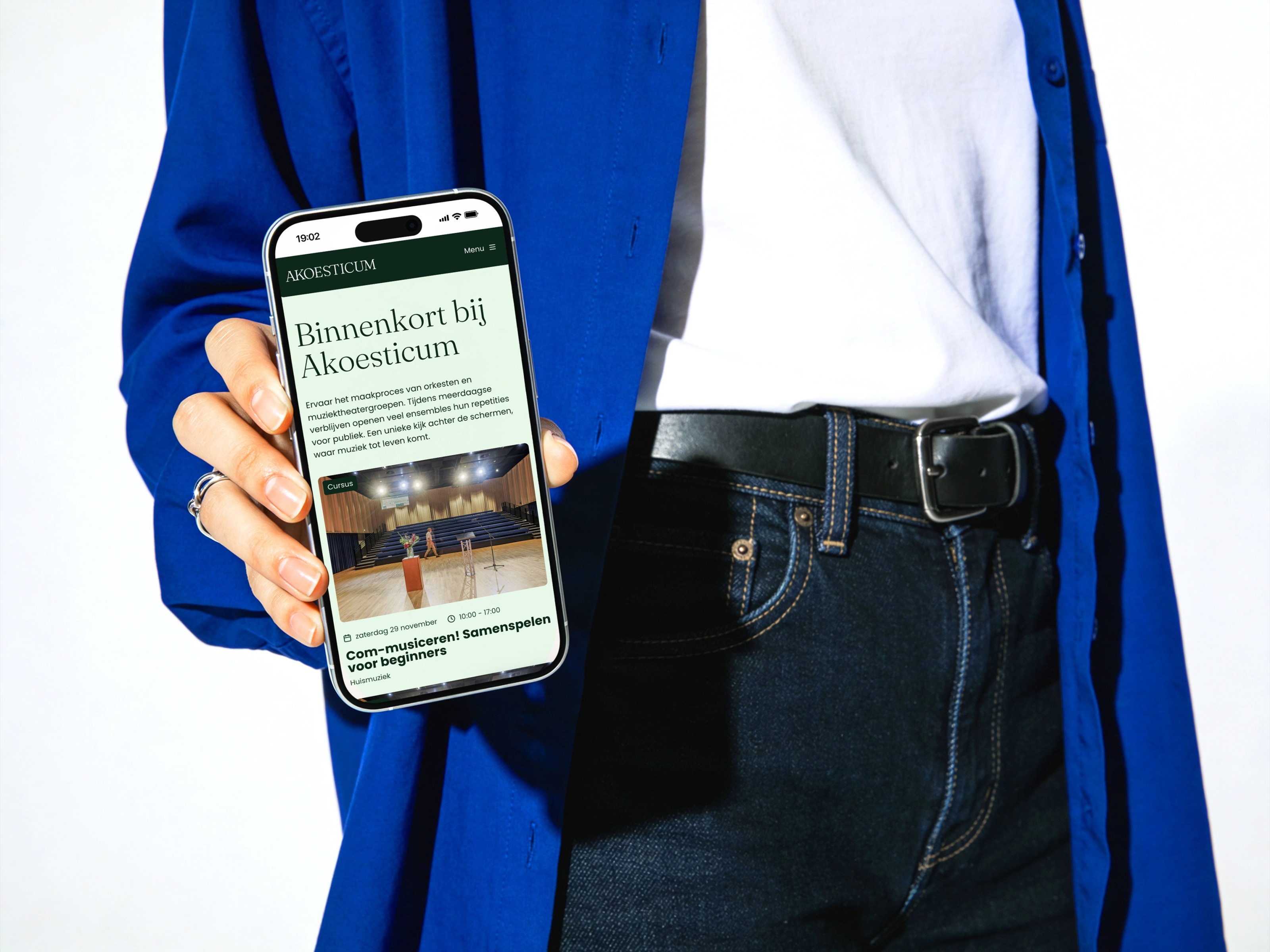
at Akoesticum
0
specialists on the team
0+
collaborations
It stands or falls on the integration with your CRM.
A flow that doesn't know what is happening in your CRM keeps emailing someone who became a client last week. So the integration is the foundation: website, forms, CRM and email have to see the same reality.
That integration we build ourselves. We aren't tied to one package, so we connect to what you already use. If that package gets in your way, that is the first thing we discuss.
Where does it get left?
One flow in the right place does more than ten in the wrong one.
Tell us where enquiries stall at your company. In half an hour we can usually see which follow-up you're missing, and roughly how much work that is.