

Whitepaper18 September 202614 pages
Being found when AI gives the answer
A workbook on visibility in search engines and AI assistants: how a model chooses who it cites, what you concretely do about it and in which order.
23 articles
Findability, campaigns and follow-up, and above all the question of whether it produces enquiries. Our marketers write down what they see happening in accounts and analytics, including the things that did not work.
A workbook on visibility in search engines and AI assistants: how a model chooses who it cites, what you concretely do about it and in which order.
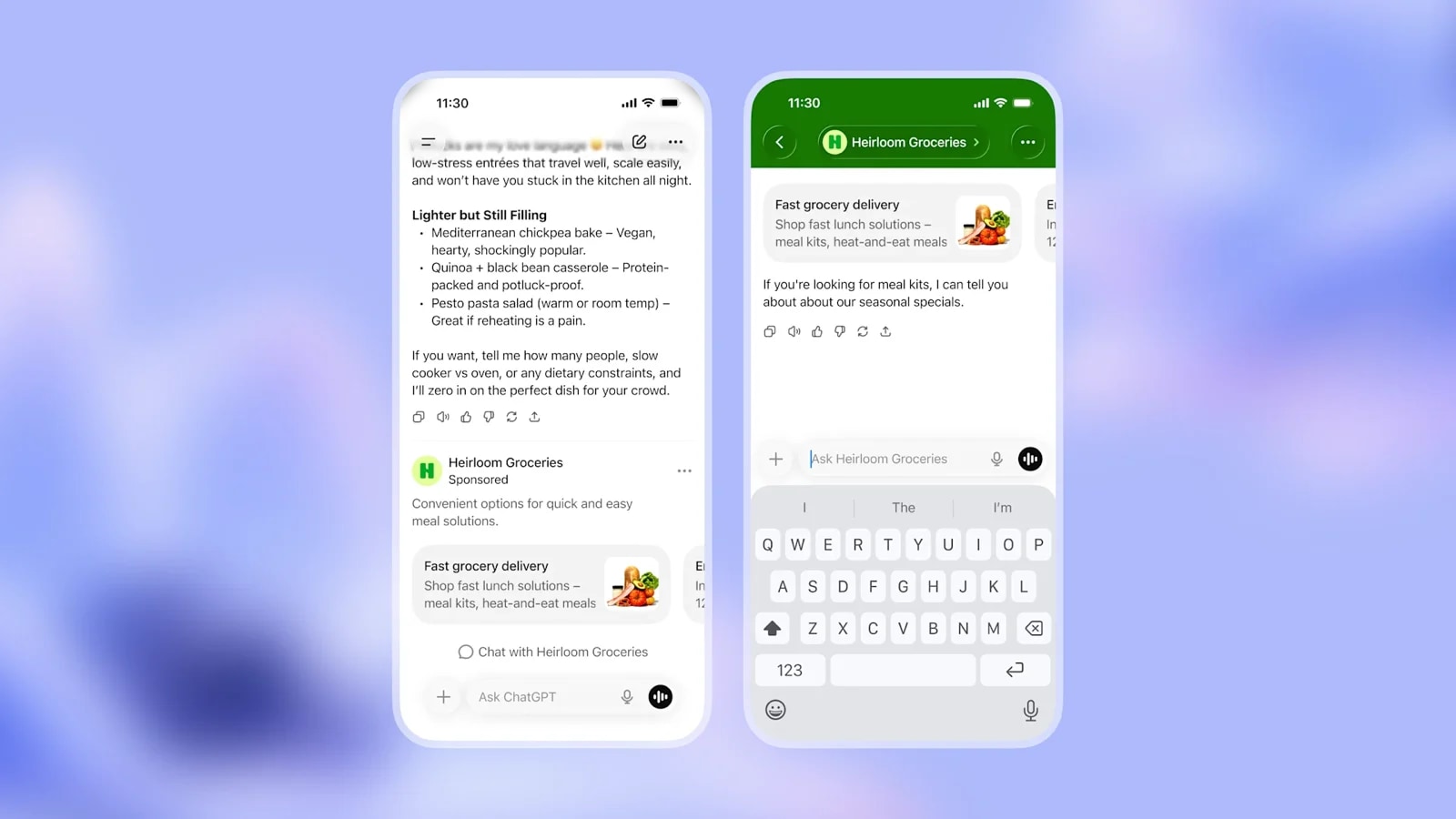
ChatGPT Ads are coming to the Netherlands, but you cannot set up a campaign yourself yet. Read how it works and how you can prepare now.
What a marketing agency does, what it costs with us (the prices are included) and what to look for before you sign.
Your business is growing, but your marketing activities feel fragmented.
You have a fantastic product or an excellent service, but how do you reach the right audience?
You have big plans for your business and you know that an online presence is the key. But where do you start?
You have a fantastic website, but the visitor numbers are disappointing. Sound familiar? You know SEO is the key, but where do you find the time and expertise?
Liever meteen sparren?
You can read later. Half an hour usually gets you further.

Niels Teunissen
Founder
No pitch. We look at where you stand and say honestly what we would do. Even if that is that you do not need us.
Have you ever stopped to think how important it is that potential customers can find you online at the exact moment they search for your services?
From the latest fashion trends to practical tips for renovating your home, many people use TikTok as a search engine to find answers quickly and visually.
Great news for everyone who works with Google Ads Performance Max (PMax) campaigns. An important update has been rolled out that permanently changes the way you analyse performance.
Your website is running and your content is live, but why your pages are or are not being found in Google remains guesswork.
Most marketing reports show what is going well: impressions up, clicks up, rankings up. Those are real numbers, but they are waypoints. A visitor who asks for nothing has earned you nothing, however well they found you. That is why we start at the bottom of the funnel and work backwards: how many enquiries do you need, what is a realistic conversion rate for that, and how much traffic goes with it.
That changes which levers you pull. A page that sits in position four and convinces nobody is not fixed with more links. A campaign that runs on high-intent keywords almost always has less volume and more return than a campaign that steers on volume. And a form that asks for seven fields costs you more enquiries than any gain in rankings delivers.
Since last year there is an extra layer: people search on Google and ask an AI assistant. The assistant cites sources: pages that state a question clearly and answer it briefly. The craft stays the same: write something that is genuinely useful to someone, and make sure a machine can see where the answer is.
This category holds the articles in which our marketers work that out, from what advertising on Instagram costs to when you are better off outsourcing SEO. With numbers from accounts we work on ourselves, and with the times it fell short included.
The questions we get asked most about this. Yours not among them? Ask our assistant or just give us a call.
Count on three to six months for the first movement and nine to twelve months for a stable position on terms with competition. Fixing technical errors is quicker; you sometimes see that gain within weeks. What takes time is building authority: that is a matter of continuing to publish and continuing to be referenced. Whoever stops after two months because nothing has happened yet pays for the run-up without the return.
SEO is about findability in a search engine: you want to be in the list of blue links. GEO (generative engine optimisation) is about being mentioned in the answer of an AI assistant, such as ChatGPT, Gemini or the AI summary above Google. The overlap is considerable: both are about clear, well-structured content that answers a question. GEO only asks for extra attention to explicit answers, structured data and sources that can be checked.
Often yes, but only on keywords with buying intent and with a landing page that matches the ad. B2B clicks are expensive and the volumes are small, so a campaign that runs broadly burns budget on visitors who are only orientating. What is almost always worth it: protecting your own brand name and the two or three terms searched for by someone who already knows what they need.
Less than you think, as long as it is the right content. One good article that fully answers a concrete question does more than ten pieces that touch on the same subject superficially. Start with the questions you genuinely get in sales conversations, because someone else is searching for those too. A rhythm of two to four pieces a month is enough for most companies, provided they get finished.
Enquiries, their quality and what they cost. So how many forms come in, how many of those became a conversation and how many became an assignment. For that you have to connect your marketing to your CRM, otherwise you are guessing. Traffic, rankings and cost per click we use to explain why that number moves.
Questions about marketing?
Reading is one thing. Knowing what it means for you is another.
Tell us what you are running into. In half an hour you hear what we would do, and why we think so.
Free check·30 sec
How visible is your website?
Over twenty checks on SEO, technology and whether an AI model can quote you.