
Web design that delivers on your online ambitions
You have a great business, an excellent product or a service you fully stand behind. But how do you translate that to the online world?

Digital Designer
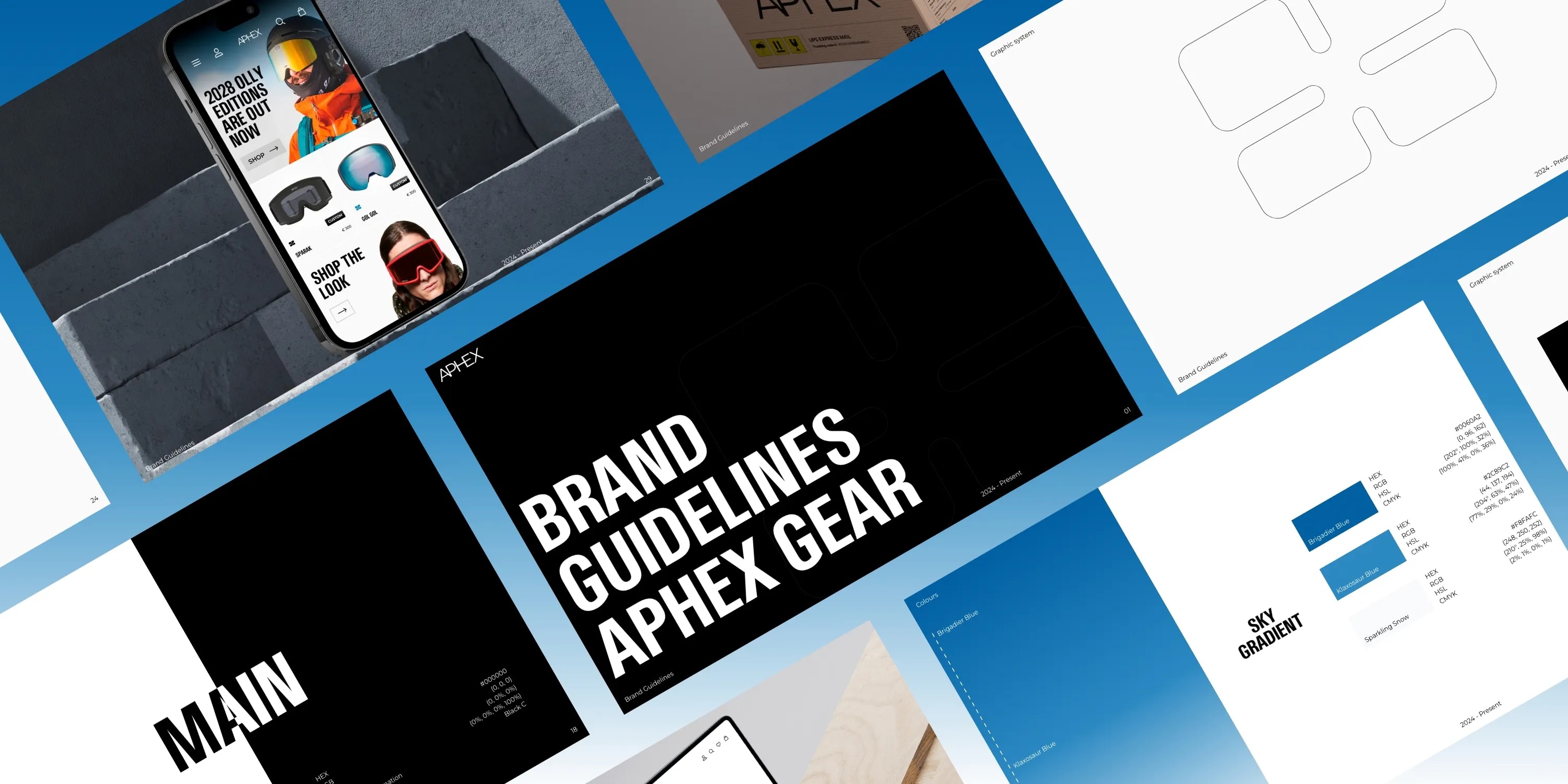
You have a great business, an excellent product or a service you fully stand behind. But how do you translate that to the online world? A digital brochure has long since stopped being enough. Modern web design is the art and science of creating an online experience that looks good, works smoothly and turns your visitors into customers. It is the digital handshake, the virtual shopfront and the online adviser in one. A professional website is therefore the foundation of your online success, and good web design is the architecture that holds everything up.
What is web design, exactly?
Many people immediately think of web design as attractive images, trendy fonts and a modern colour palette. Although aesthetics certainly play a part, it goes much deeper than that. It covers the entire user experience (UX) and the user interface (UI). Consider the logical structure of your website. Can visitors intuitively find what they are looking for? Is the navigation clear and predictable? A good structure is like a well-organised shop: you know exactly where to find the milk without having to walk through the whole building three times.Functionality also weighs heavily. Buttons must work, forms must submit smoothly and loading speed must be optimal. Nobody likes waiting more than a few seconds for a page to load. Good web design ensures that the technology under the bonnet is just as impressive as the polished design on the outside.
Why a professional website is indispensable
You only get one chance to make a first impression, and online that happens in a fraction of a second. An outdated or awkward design can drive visitors away immediately. A professional website, on the other hand, radiates trust and credibility. It shows that you take your business seriously and that you invest in your customers' experience. This is where well-considered digital design makes the difference.What is more, a strategically designed website does the work of a salesperson. It is the hub of all your online activities. You can advertise on social media, send newsletters or work on your visibility in Google. In the end, most people land on your website. Good web design ensures that visitors stay and take action. It increases your conversion rate, generates leads and contributes directly to your business objectives.
The search for the perfect match
Once you decide to invest in your online presence, you face a choice: do you hire a freelance web designer or go for a full-service web design agency? An individual web designer can be a good option for smaller, manageable projects. They are often flexible and personally involved. The challenge may lie in the breadth of their expertise; it is rare for one person to excel in strategy, design, copywriting and technology.A web design agency, by contrast, offers a team of specialists. Strategists, designers, developers and marketers work together under one roof. This leads to an integrated approach in which the design is not separated from the technology or the marketing goals. After all, a good design is an extension of your complete brand strategy. An agency can usually also handle larger and more complex projects and offers continuity and long-term support.
The process of having a website built
Having a website built is a collaboration. It starts with an in-depth conversation about your goals, your target audience and your brand. Colours come much later. What do you want to achieve? Who do you want to reach? What makes your business unique? This strategic phase is the foundation for the entire project.From strategy to structure
Strategy is followed by structure. In this phase, wireframes are created: a kind of blueprint of the website. They set out the layout of pages and the placement of elements such as menus, buttons and forms. This is deliberately done without visual design, so that the focus is entirely on functionality and user flow. Loading speed is an important part of the overall user experience.Visual design and development
Only once the blueprint is in place does the visual layer go on top. The brand identity is applied and the website gets its unique look and feel. Once the design is approved, the developers dive into the code to turn the design into a working, interactive website. After an extensive testing phase, in which everything is checked on different devices and browsers, it is time for launch. But the work does not stop after going live; a good website is continuously monitored and optimised for the best result.Convinced of the power of professional web design and ready to take the next step? Feel free to contact us without obligation.
Frequently asked questions
Web design focuses on the visual design and user experience (UX/UI) of a website: how it looks and feels. Web development is the actual building of the website with code (such as HTML, CSS and JavaScript), which makes the design functional and interactive. Put simply: the designer designs the house, the developer builds it.
The cost of having a website built varies widely, depending on the complexity, the functionality and whether you choose a freelancer or an agency. A simple website can cost a few thousand euros, while complex bespoke projects or e-commerce platforms can cost considerably more. Always request a detailed quote based on your specific requirements.
Responsive web design ensures that a website automatically adapts to the screen size of the device, whether that is a desktop, tablet or smartphone. Since a large share of internet traffic comes from mobile devices, your site stands or falls with the mobile experience. It improves usability, lowers the bounce rate and is rewarded by Google with a better position in the search results.
A good web design agency will guide you through this, but you will usually need to provide input for the strategy (goals, target audience), content (copy and images) and your brand identity (logo, colour scheme). The clearer the input you can give, the better the end result will match your vision and business identity.